Calcium is a vital component of bones and teeth. The body absorbs calcium on a daily basis as needed, directing it primarily to the bones and teeth to support their formation and maintain strength. Another portion is utilized throughout the body for various essential functions, such as muscle contraction, nerve signal transmission, hormone storage and release, and numerous other critical physiological processes.
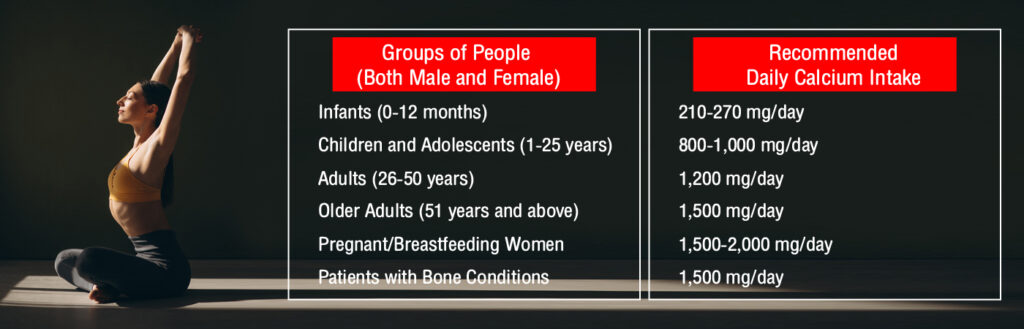
How much calcium do we need per day?
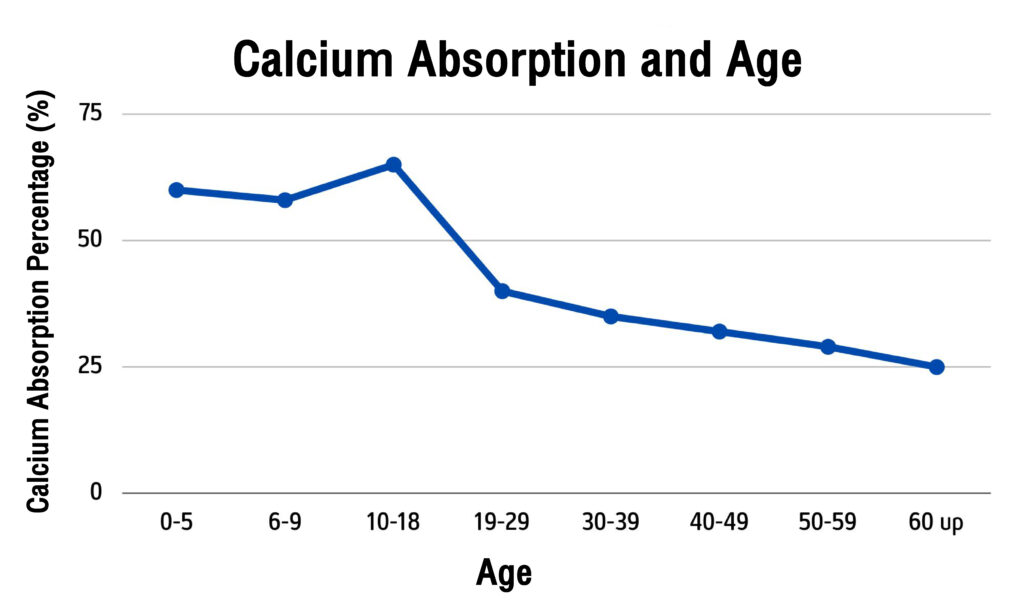
Calcium absorption and accumulation
Calcium Absorption and Storage
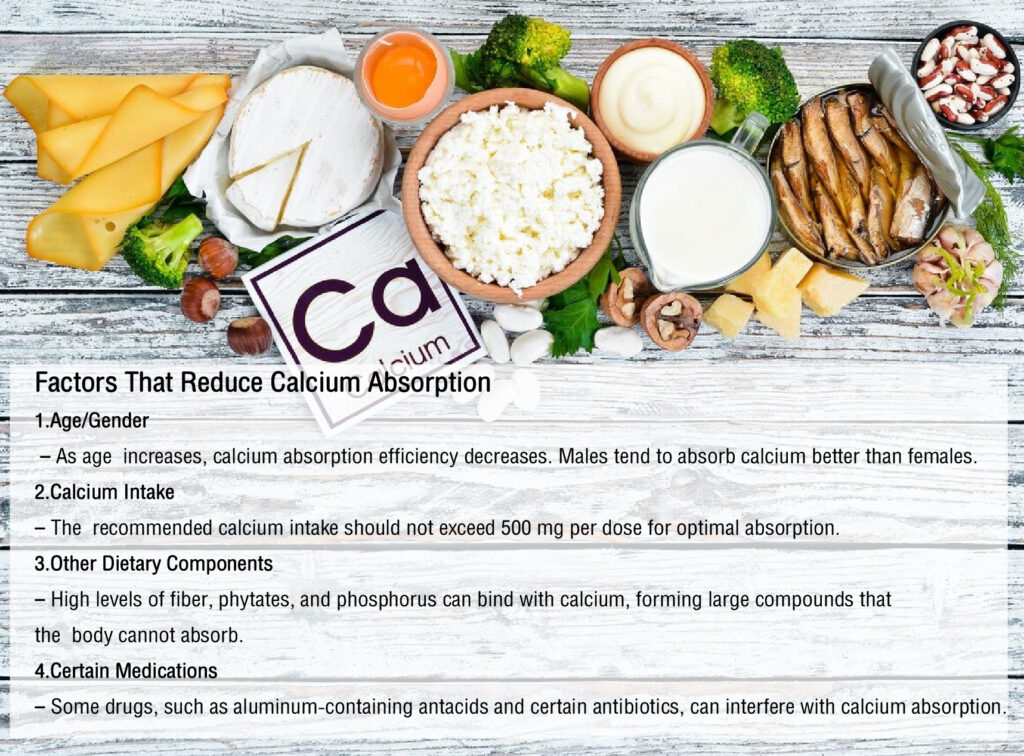
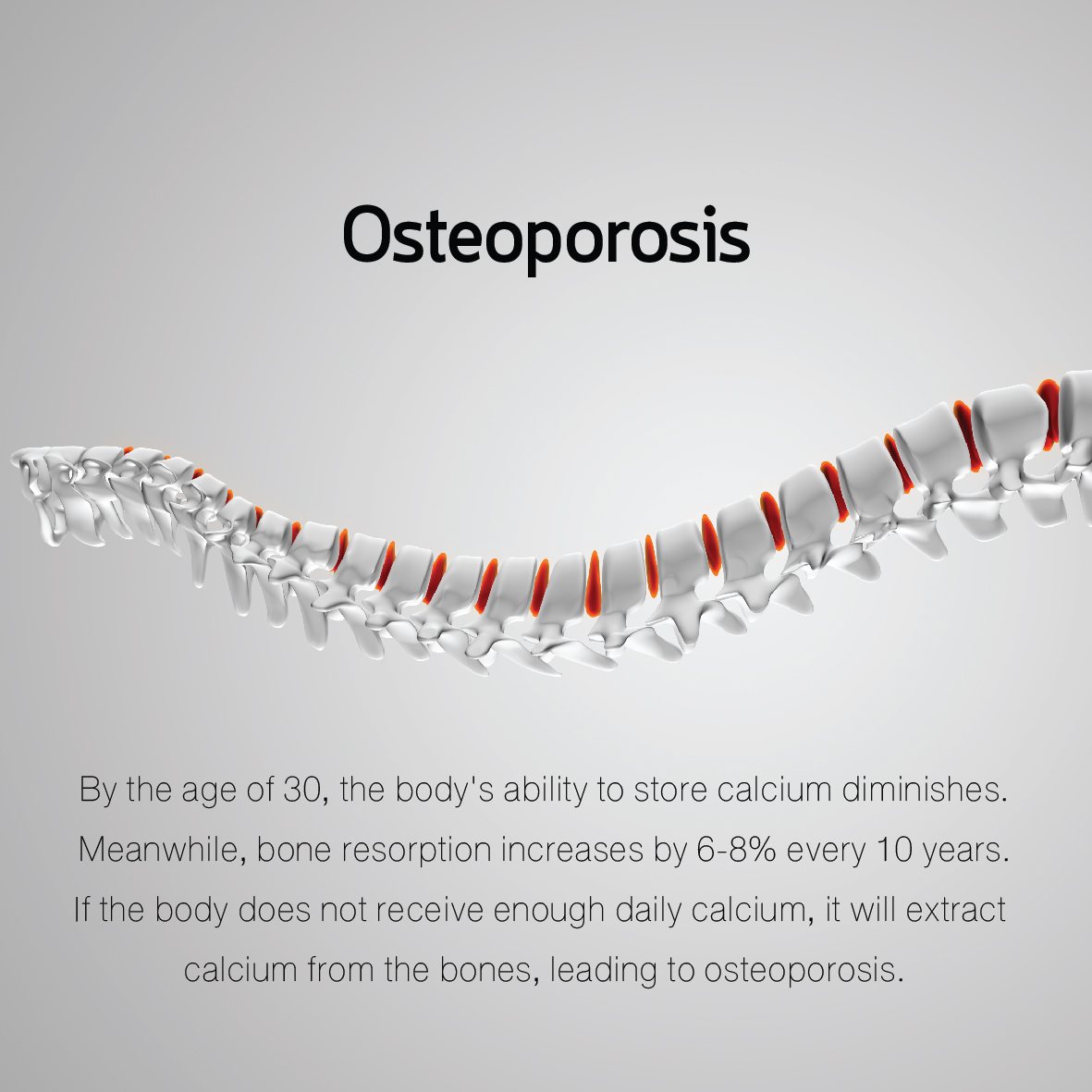
Each time calcium is consumed, the body can absorb only 20-40% of the intake. Studies show that calcium accumulation begins as early as the fetal stage and gradually decreases with age. Notably, after the age of 30, the body is no longer able to store calcium in the bones, emphasizing the importance of maintaining adequate calcium intake throughout life to support bone health and prevent deficiencies.
Calcium and Other Essential Vitamins & Minerals
Magnesium
Calcium and magnesium work closely together and cannot function separately. Magnesium plays a crucial role in calcium absorption, aiding in bone strength and development.
Vitamin D
Vitamin D enhances calcium absorption by facilitating its transport through the intestinal walls into the bloodstream. When calcium levels in the blood are low, vitamin D signals the kidneys to reduce calcium excretion through urine, ensuring adequate calcium availability for the body’s needs.
Vitamin C
Vitamin C improves calcium absorption efficiency. Its acidic nature creates an optimal environment for calcium uptake in the body.
Magnesium & Vitamin D
Magnesium helps convert vitamin D into its active form, which the body can utilize effectively. This process contributes to bone and dental strength, increasing bone density and slowing down bone and tooth degeneration over time.
Diseases caused by calcium deficiency
Individuals at Risk of Calcium Deficiency
Adults (Ages 26-50)By the age of 30, the body stops storing calcium, while bone loss increases with age. Women, in particular, are at higher risk, experiencing bone-related issues as early as 40—20 years earlier than men. This is due to lower calcium absorption in females, leading to reduced calcium storage and a higher likelihood of bone-related conditions.
Elderly (Ages 51 and above)As calcium absorption efficiency declines with age, the risk of calcium loss from bones increases. Postmenopausal women are especially vulnerable due to decreased estrogen and vitamin D production, leading to weaker bones. In severe cases, individuals may experience fractures, particularly in the spine, hips, and arms, often without prior symptoms until a fracture occurs.
Pregnant & Breastfeeding WomenMothers transfer calcium to their babies for fetal skeletal development. Inadequate calcium intake can lead to complications for both mother and child, such as muscle cramps (especially in the calves), gum pain, and toothache. Studies indicate that 26.8% of pregnant women experience leg cramps, often starting around the 25th week of pregnancy.
Smokers & Alcohol/Caffeine ConsumersNicotine, alcohol, and caffeine stimulate adrenaline release, which accelerates bone breakdown and calcium depletion.
Individuals with Small or Thin Bones Those with naturally smaller bones tend to store less calcium in their skeletal structure, making them more prone to deficiencies.
Individuals with Poor Diets or VegetariansA lack of a well-balanced diet, particularly in those who avoid dairy, increases the risk of insufficient calcium intake.
Lactose Intolerant Individuals Since dairy products are a primary source of calcium, those who cannot consume milk may struggle to meet their daily calcium requirements.
Individuals with Endocrine Disorders Certain hormonal imbalances can cause excessive calcium withdrawal from bones, leading to increased fragility.
Individuals with a Family History of OsteoporosisGenetics play a significant role in bone health. Those with a family history of osteoporosis are at greater risk of developing the condition.